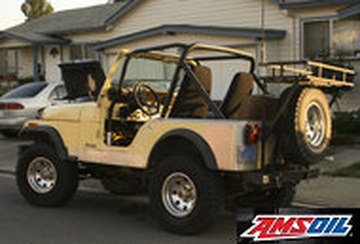
Engine Lubrication and Maintenance for the 1980 Jeep DJ-5 4.2L
Maintaining a vehicle from the early 1980s requires a shift in perspective from modern automotive care. For owners of a 1980 Jeep DJ-5 equipped with the 4.2L engine, routine service is not just about following a schedule; it is about active monitoring and understanding how aging mechanical systems respond to different operating conditions. Proper lubrication management is a cornerstone of preserving the longevity of this powertrain.
Monitoring Fluid Integrity and Potential Seepage
As vehicles age, the materials used in various sealing components can undergo changes in flexibility and composition. For the 1980 Jeep DJ-5, regular visual inspections are an essential part of a proactive maintenance strategy. Rather than waiting for a visible puddle to form on the driveway, owners should look for signs of early-stage seepage around engine junctions.
When performing routine checks, focus on the following areas:
- Sealing Surfaces: Inspect various gaskets and seals for any evidence of dampness or oily residue. Even if a component is not actively dripping, a "sweating" appearance can indicate that a seal is beginning to lose its effectiveness.
- External Connections: Check electrical connectors and wiring harnesses for signs of oil contamination, which can sometimes occur if lubricants migrate from other areas.
- Hoses and Lines: If the vehicle is equipped with various fluid-carrying hoses, inspect them for cracks, softening, or bulging. Any evidence of weeping at connection points should be investigated promptly.
Identifying these signs early allows for more controlled maintenance decisions. It is important to remember that a single symptom, such as a small amount of oil residue, can have multiple causes and may warrant further professional diagnosis to determine the exact source.
Managing Engine Oil Health
The engine oil in a 4.2L engine serves several vital roles beyond simple lubrication. It acts as a medium for heat management, helping to dissipate thermal energy away from critical internal components. Furthermore, it helps to suspend and carry away microscopic debris that can accumulate during the combustion process.
Over time, oil can undergo chemical changes due to oxidation and exposure to various operating stresses. This can lead to the formation of deposits or a change in the fluid's ability to protect engine components. To mitigate these effects, consistent attention to the condition of the lubricant is necessary. If you notice any significant changes in the appearance of the oil—such as an unusual color or texture—it may indicate that the fluid has been compromised and should be replaced.
Some high-mileage oil formulations contain additives intended for use in aging engines. These specialized lubricants may include seal-conditioning additives designed to help maintain the integrity of older rubber components. While these are not a substitute for repairing active leaks, they can be a consideration during routine service intervals for vehicles with higher operational hours.
Establishing a Maintenance Baseline
For many owners of a 1980 Jeep DJ-5, the vehicle's complete service history may not be readily available. In these instances, the first priority is to establish a maintenance baseline. This involves performing a comprehensive inspection and documenting the current state of all major systems.
If you are unsure when certain services were last performed, it is often more effective to prioritize based on the actual condition of the components rather than relying solely on age. For example, an engine component that appears well-maintained may not require immediate intervention, whereas a part showing visible signs of wear or degradation should be addressed first. Keeping a detailed log of all completed repairs, fluid changes, and observed conditions will provide a vital roadmap for future maintenance and help you distinguish between necessary preventive care and unnecessary parts replacement.
Observing Operational Warning Signs
Effective ownership involves being attentive to how the vehicle behaves during operation. Changes in the way the 4.2L engine sounds or performs can be early indicators that something requires attention. Because symptoms are often non-specific, they should be treated as prompts for investigation rather than definitive diagnoses.
Potential signs that warrant a closer look include:
- Unusual Noises: Any new mechanical sounds during startup or while idling should be noted and investigated.
- Changes in Consumption: If you find yourself needing to add oil more frequently than previously observed, this change in consumption pattern warrants an inspection of the engine's sealing and breathing systems.
- Exhaust Observations: While exhaust characteristics can vary based on many factors, any noticeable changes in smoke color or consistency should be monitored.
- Temperature Fluctuations: Any evidence of the engine running hotter than its typical operating range is a critical sign that requires immediate investigation into the cooling and lubrication systems.
Approaching these signs with curiosity rather than alarm allows for more methodical troubleshooting. Always consider that multiple factors can contribute to a single symptom.
Practical Approaches to Long-Term Care
As the 1980 Jeep DJ-5 continues to operate, maintenance priorities may shift. The goal of long-term care is to address active issues while preventing minor concerns from escalating into significant mechanical failures. This requires a balance between preventive measures and reactive repairs.
One effective strategy is to review all available service records alongside your own recent observations. If you notice that certain components require more frequent attention than others, this can help you tailor your maintenance approach. For instance, if an engine component shows signs of gradual seepage, you might choose to monitor it closely during every oil change rather than performing a premature replacement. This condition-based approach ensures that resources are directed toward the areas of the vehicle that need them most.
Buying Engine Oil for your 1980 Jeep DJ-5 4.2L
When it is time to replenish your engine's lubricant, accuracy in selection is paramount. To ensure the best possible protection for your engine, you must match the oil to the specific requirements of your application. Do not rely on general automotive knowledge or assumptions based on the vehicle's age to select a grade.
Always refer to the vehicle-specific oil viscosity and application information already displayed on this webpage. When you are ready to purchase, check the product labels carefully to ensure the lubricant meets the necessary standards for your 4.2L engine. You may choose between conventional, synthetic blend, or full synthetic formulations depending on your specific needs and the guidance provided in the application data above. If your vehicle shows signs of aging, you might also consider high-mileage formulations that include seal-conditioning additives. Regardless of the type you select, always verify that the product is appropriate for the specific requirements listed for this 1980 Jeep DJ-5.